Data Privacy
Designing what data a system collects and exposes, deliberately
What It Is
Data privacy engineering is the discipline of deciding before a system is built what personal or sensitive data it actually needs to collect, how long it's retained, and who can access it, rather than collecting everything by default and restricting access as an afterthought.
Why It Matters
The systems most likely to create privacy incidents are the ones that never made an explicit decision about data boundaries a video pipeline that stores raw footage nobody meant to keep, or a database field logged in plaintext because nobody thought about it during development.
How TieTech Uses It
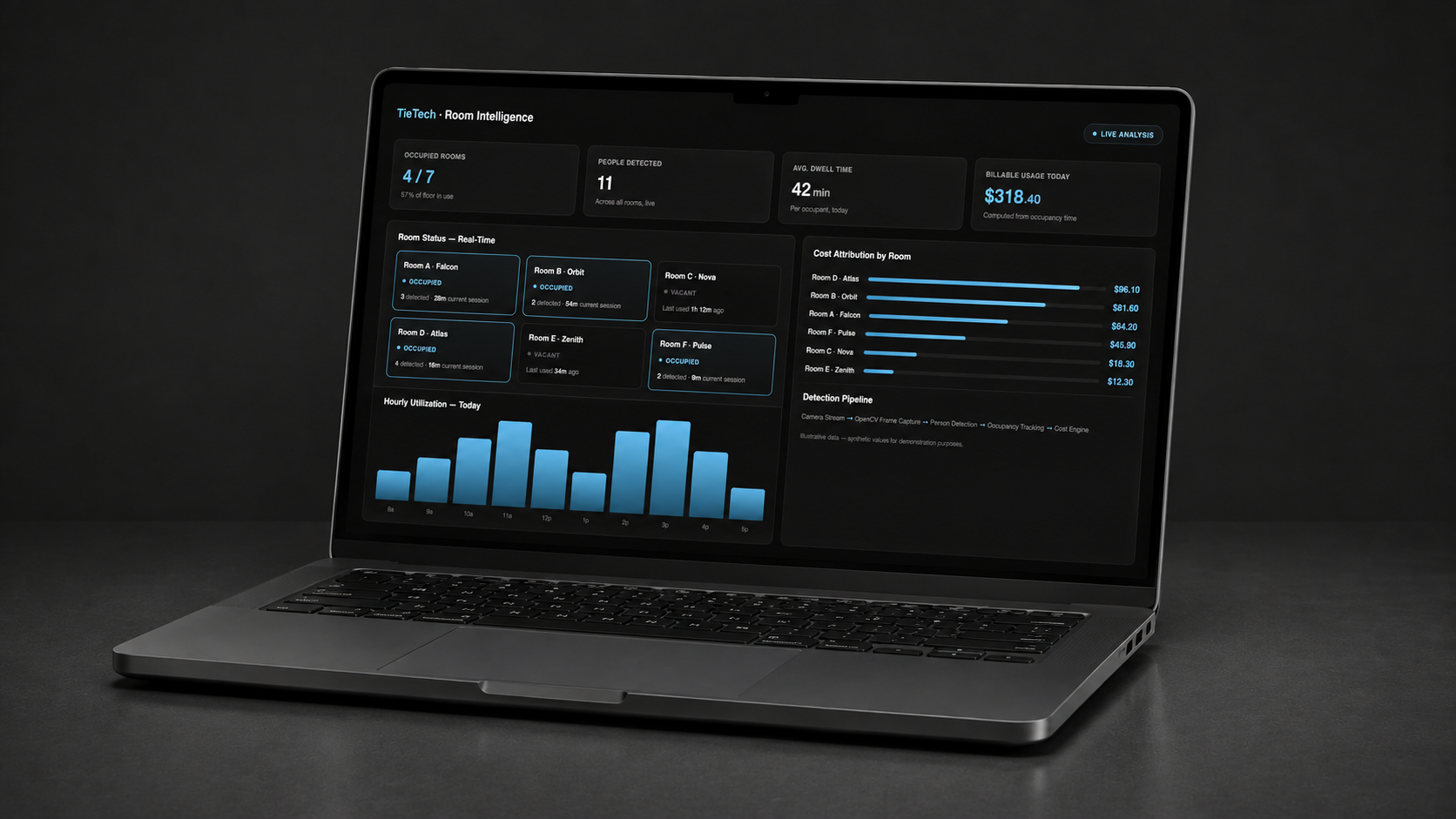
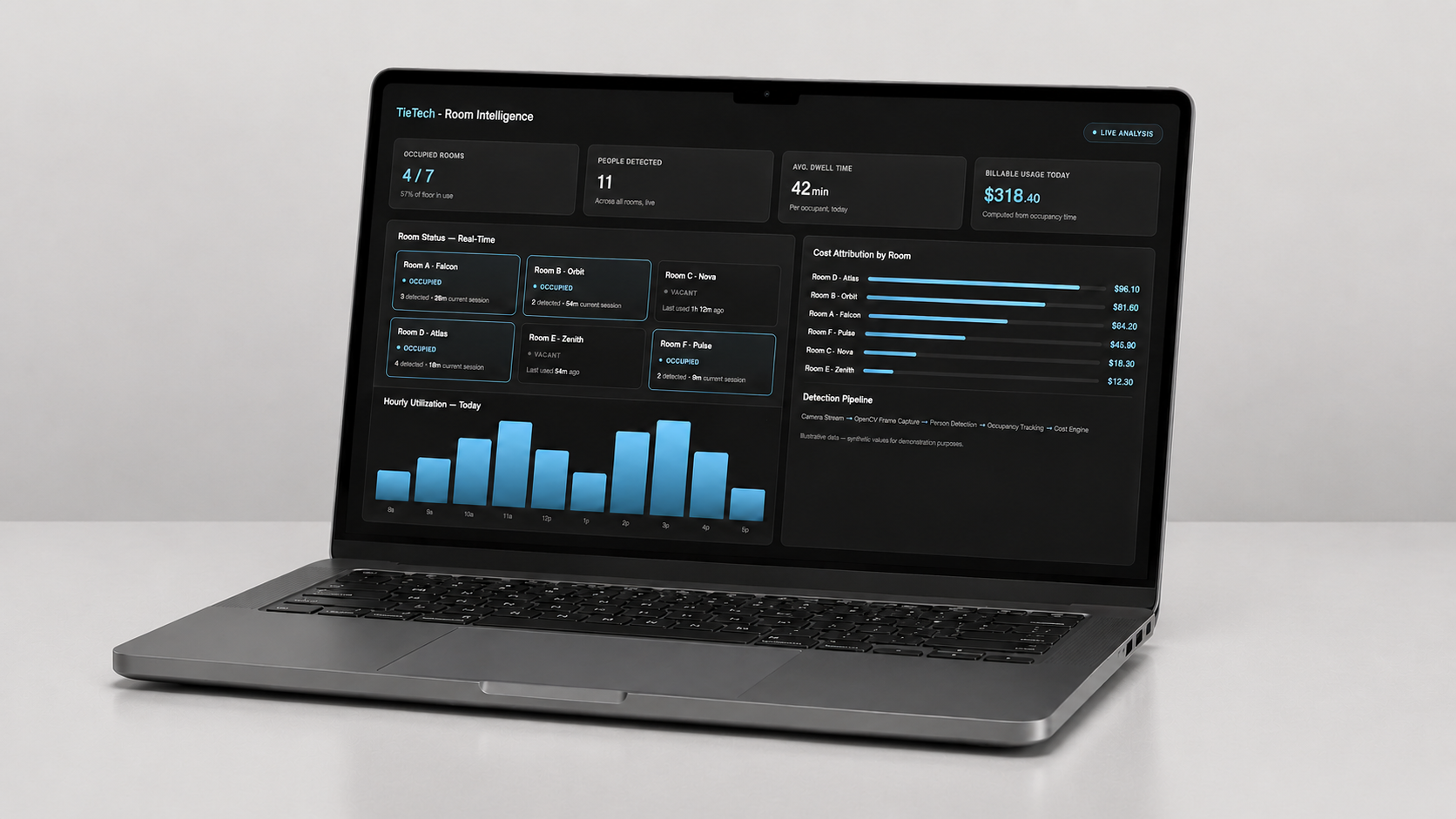
Our computer vision work is a direct example of privacy-by-design: our meeting room occupancy analytics system persists structured occupancy events, not a searchable archive of camera footage a boundary decided architecturally before the first camera was connected, detailed in our computer vision privacy case study.